The cracked driveway
Built with the house, poured on clay or thin fill, cracked by year four. Whether it can be repaired or needs a new base depends on how far the slab has moved.
Repair →Driveways, patios, stamped and decorative finishes, walkways, steps, garage and shop slabs, retaining walls, repair, leveling and sealing across Greer and the towns around it. Every slab starts with the ground under it: dug to stable clay, built up on compacted stone, formed, reinforced and poured by crews who have watched enough Upstate driveways fail to know exactly why.
Insured crews · Free on-site estimates · Written prices before scheduling · Phones answered around the clock
An estimator looks at the slab and the ground beside it before anything is priced. The visit is free.
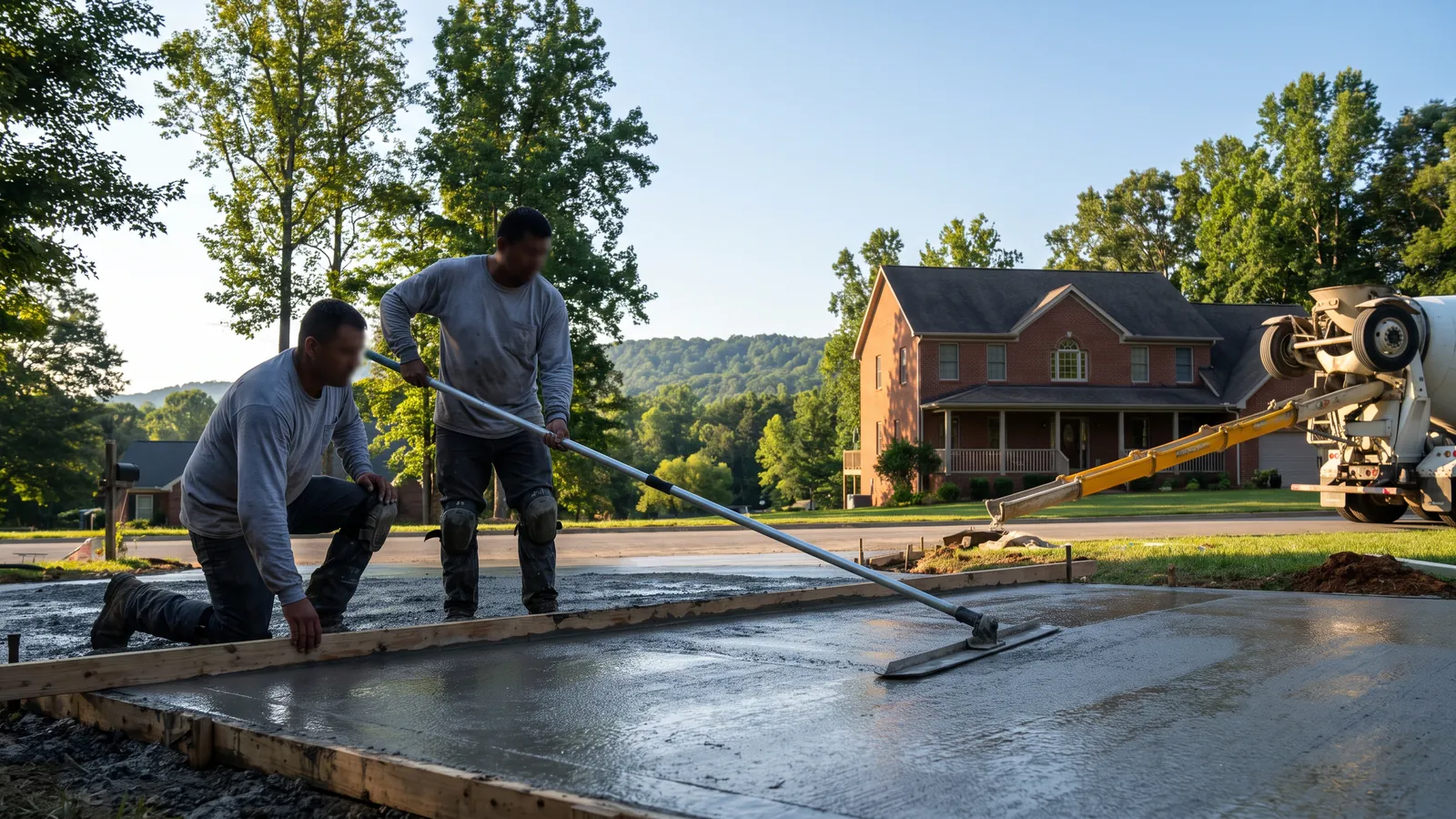
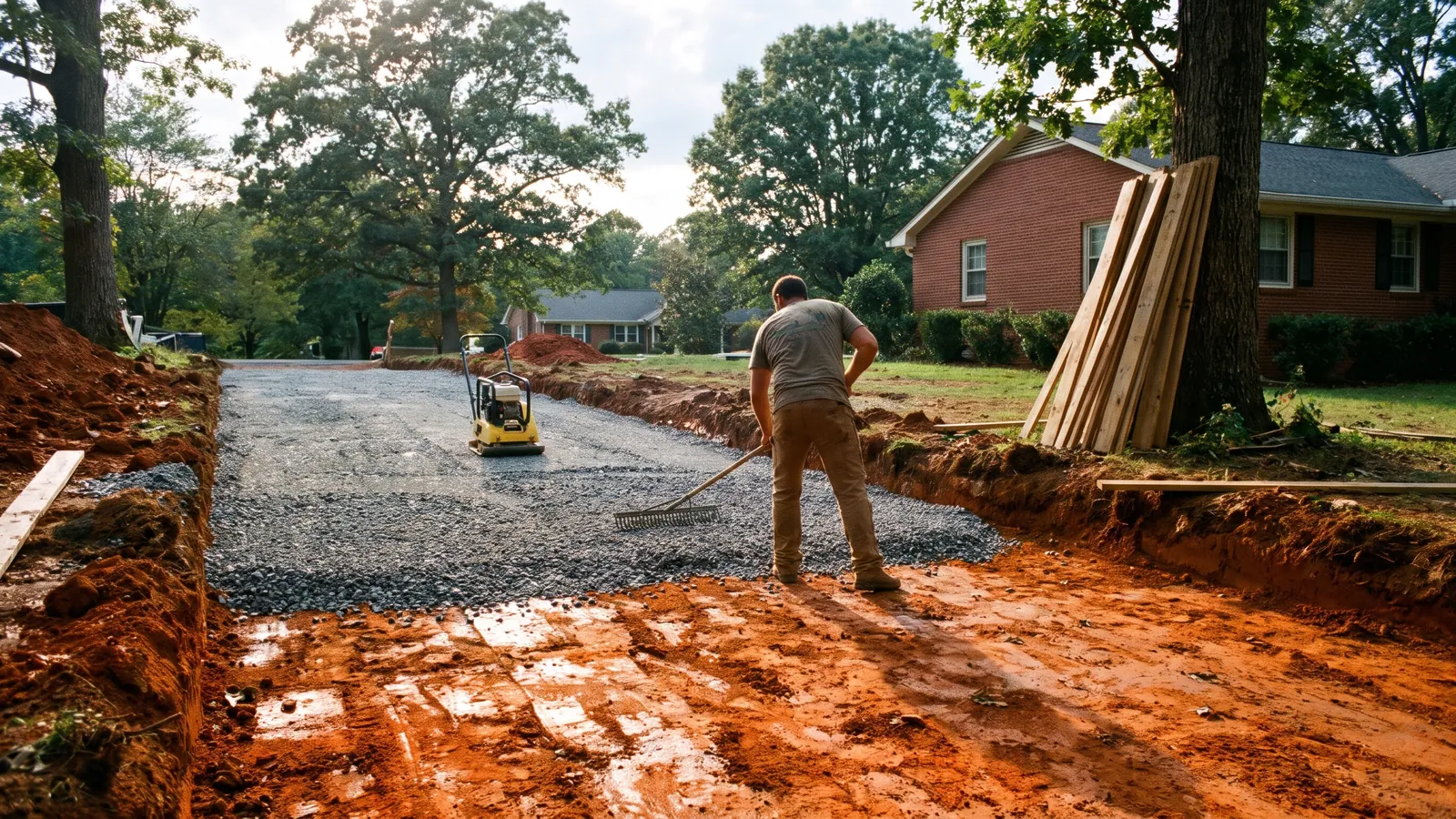
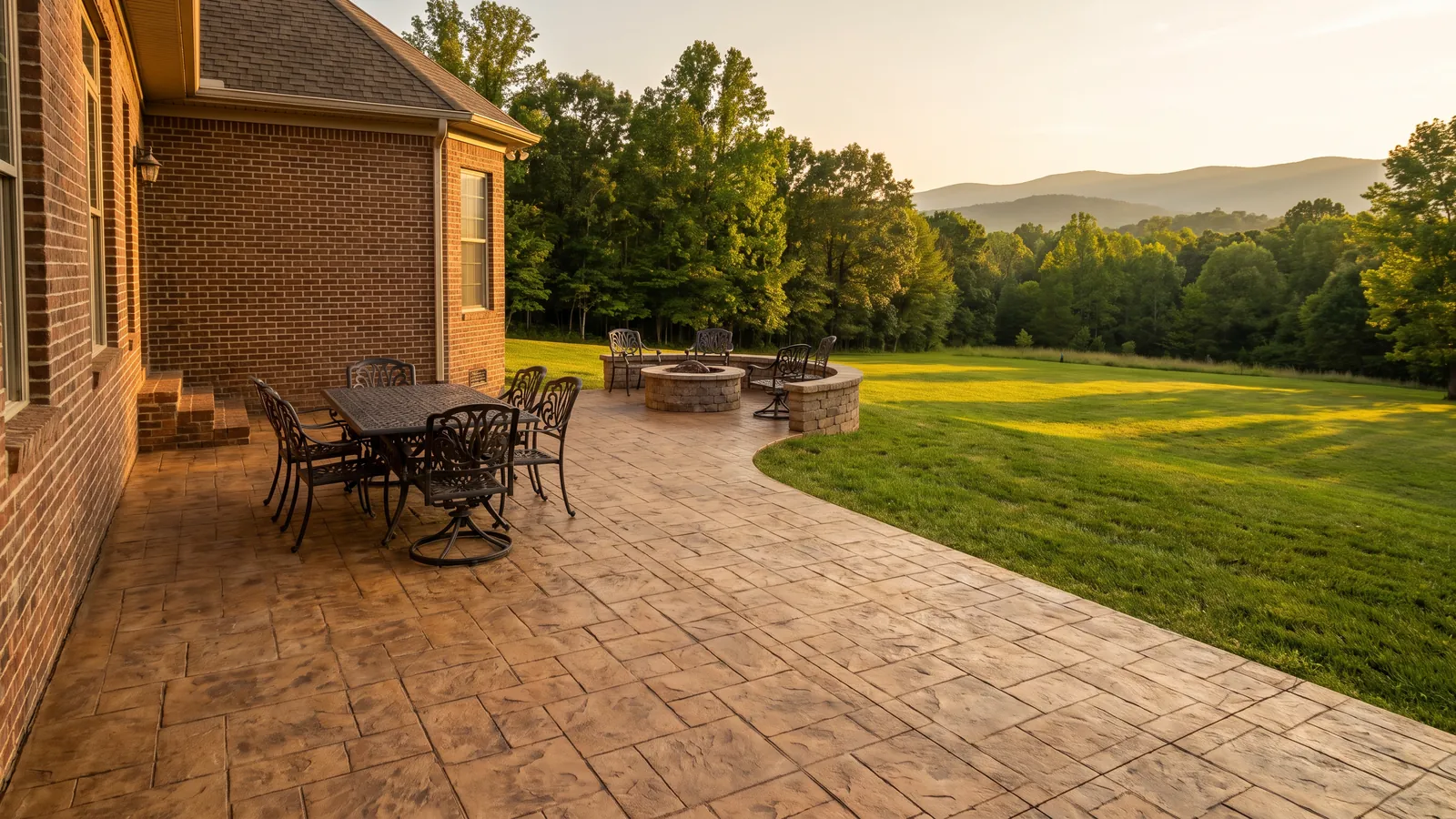
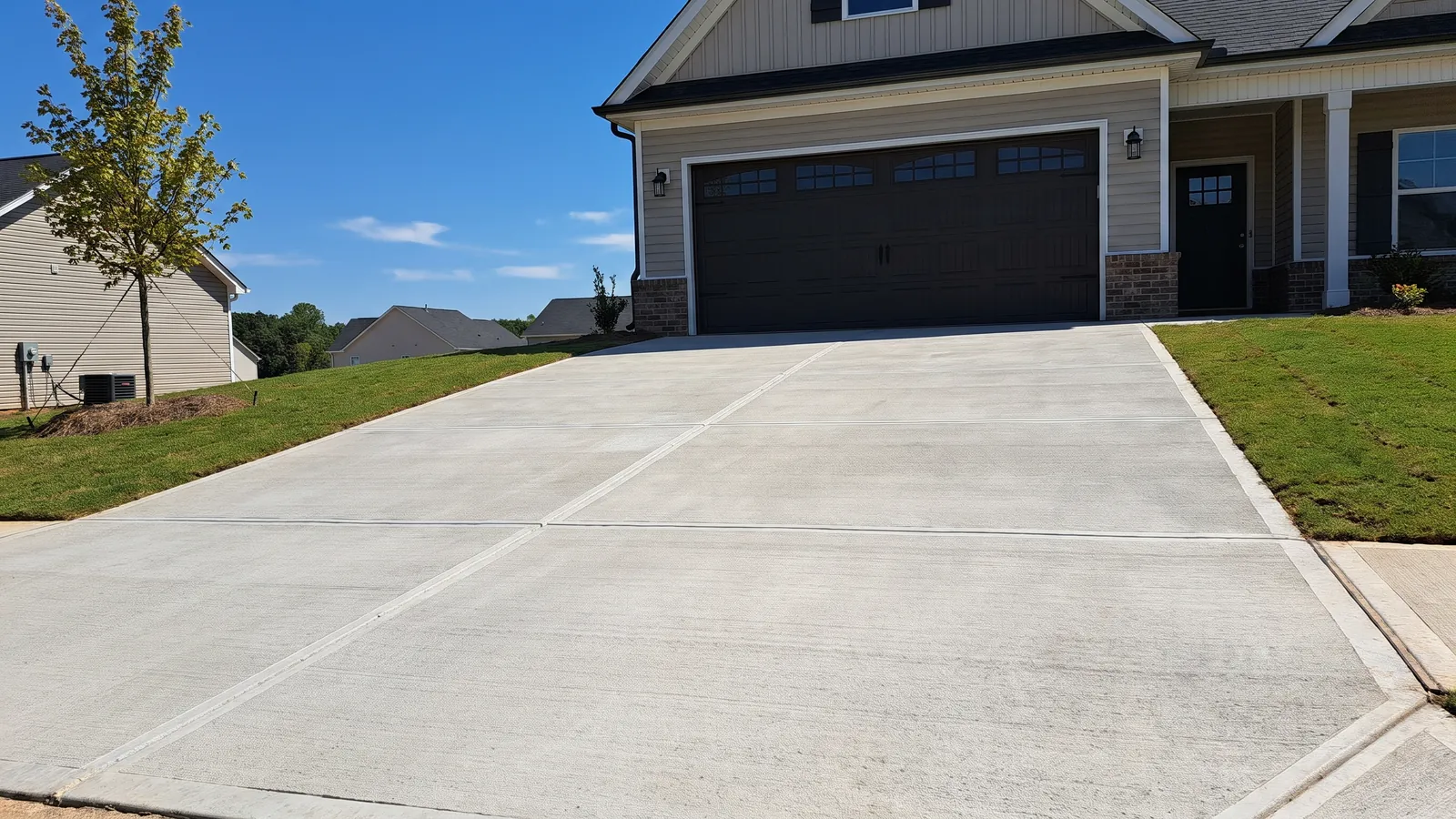
New driveways, replacements, extensions and aprons on a compacted stone base, with control joints cut the same day and a broom finish that grips in the rain.
Driveways and prices →Backyard patios and outdoor living slabs graded away from the house, sized for the furniture and the fire pit, plain or stamped.
Patios →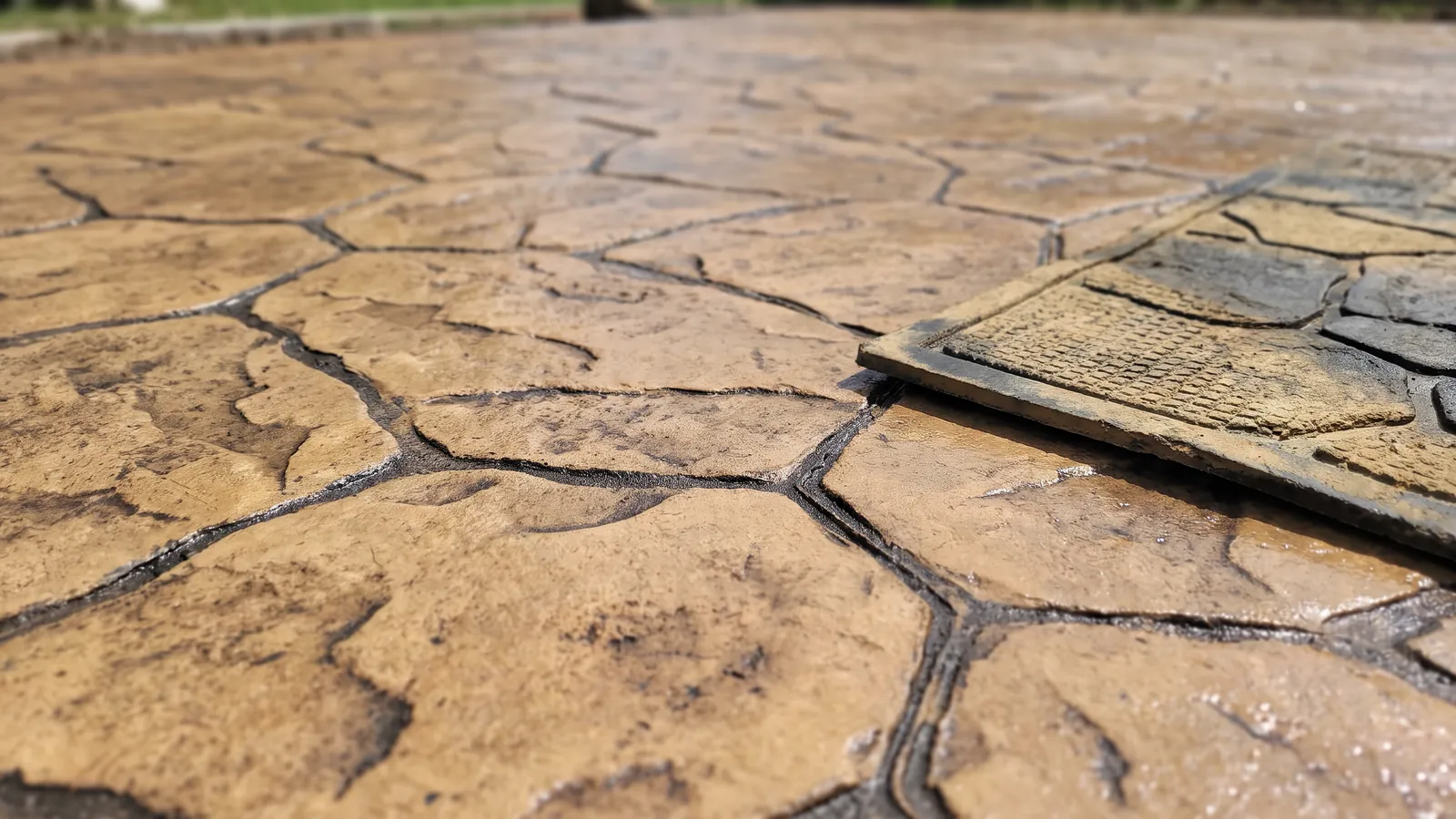
Stamped patterns, integral color, acid and water-based stains, exposed aggregate and borders, sealed so the color lasts.
Decorative finishes →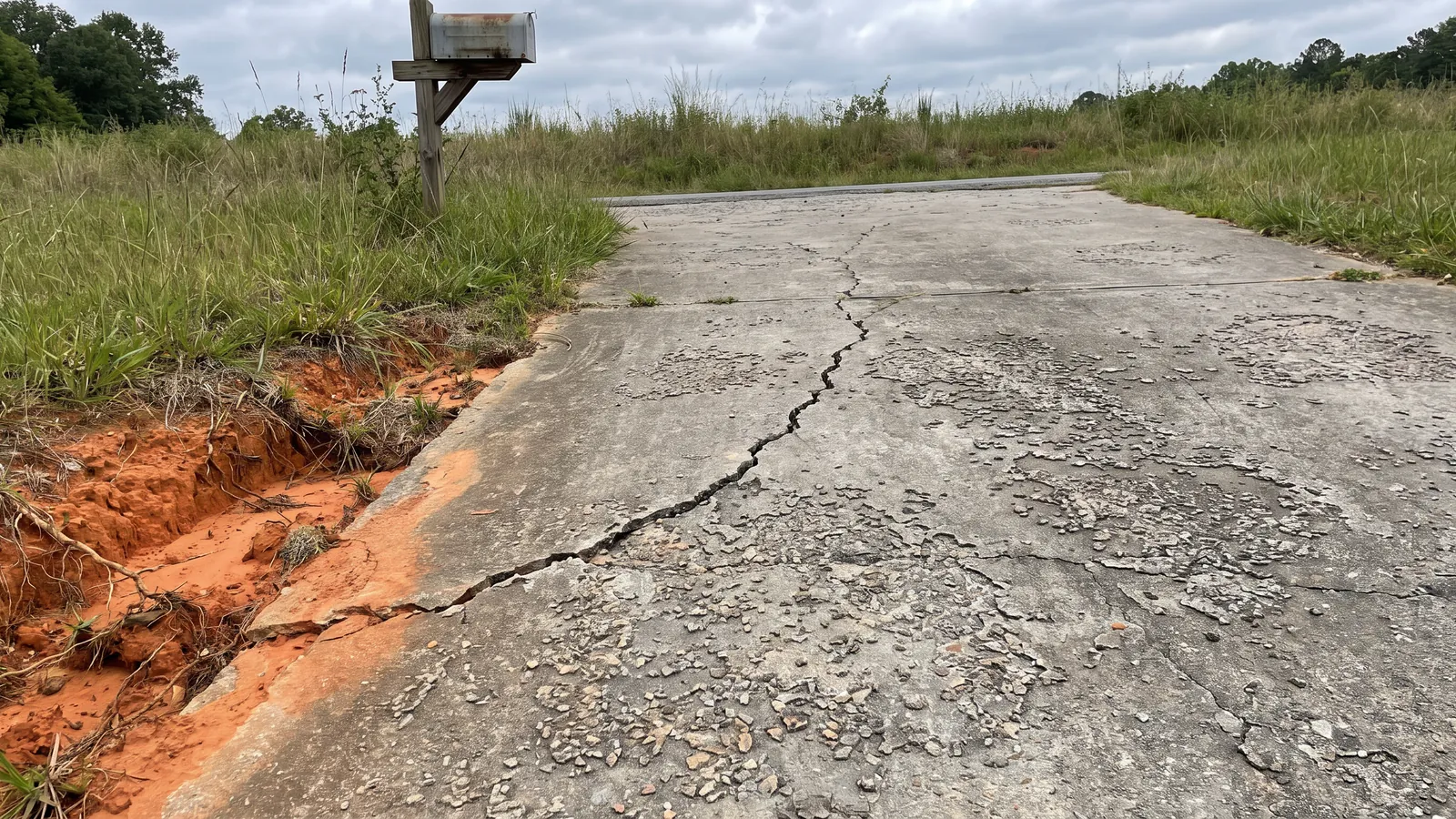
Crack routing and filling, spall patching, resurfacing overlays and edge rebuilds on driveways, patios and walks that still have good concrete underneath.
Repair →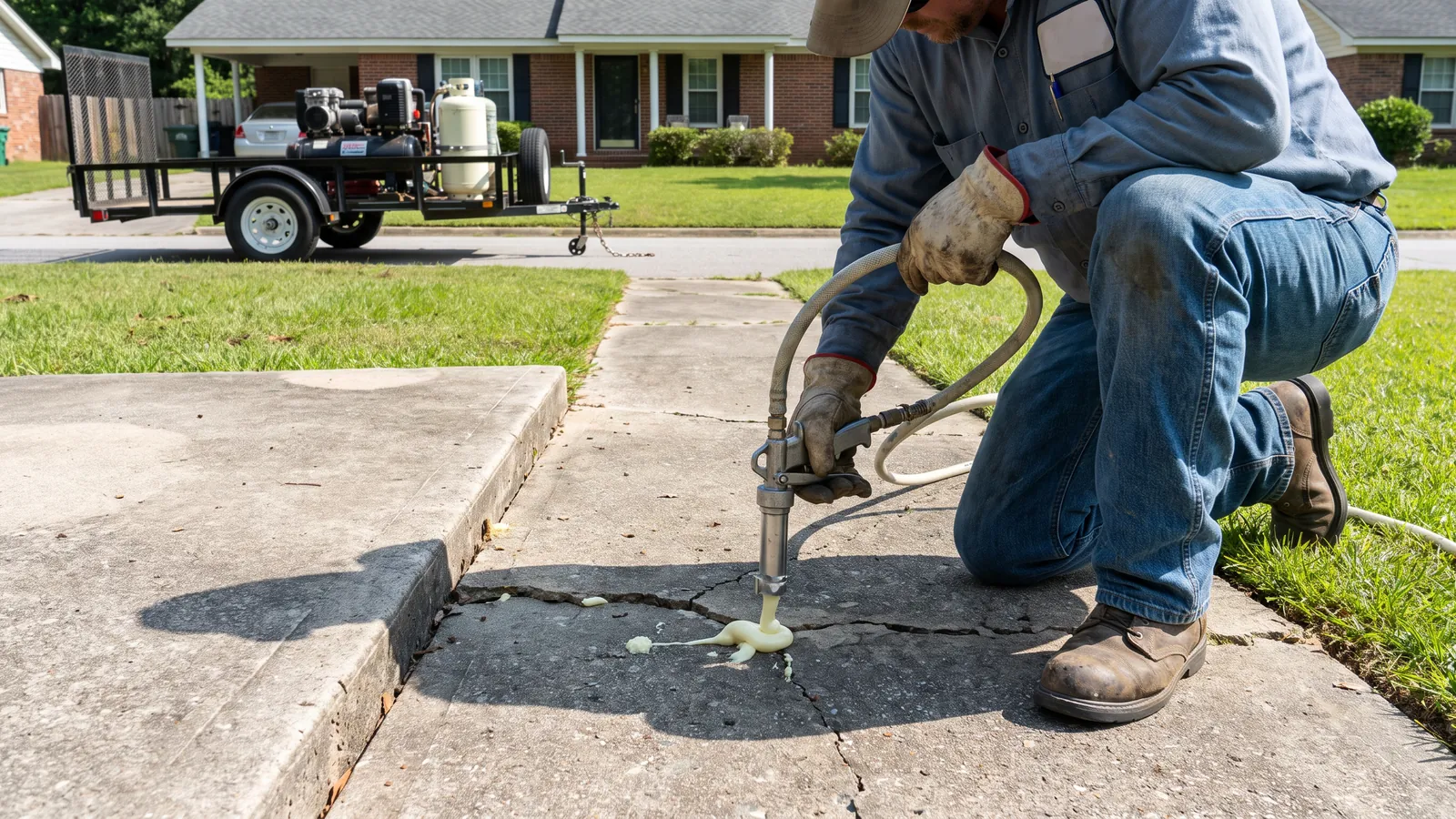
Sunken walks, settled driveway slabs and garage floor lips lifted with polyurethane foam or cement slurry, usable the same day.
Leveling →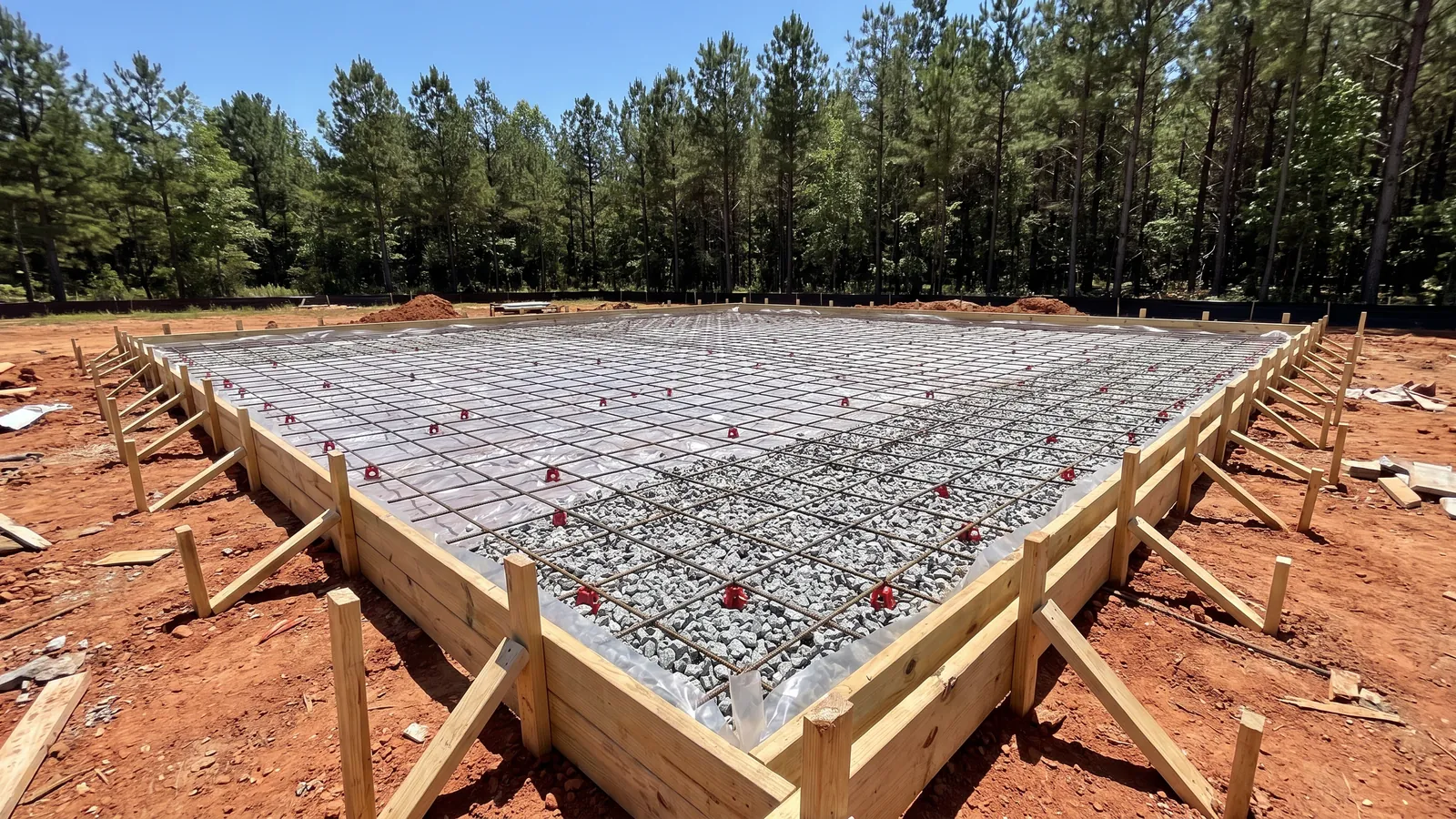
Garage, shop, barn and shed slabs, building pads and footings, formed and reinforced to carry what you are putting on them.
Slabs →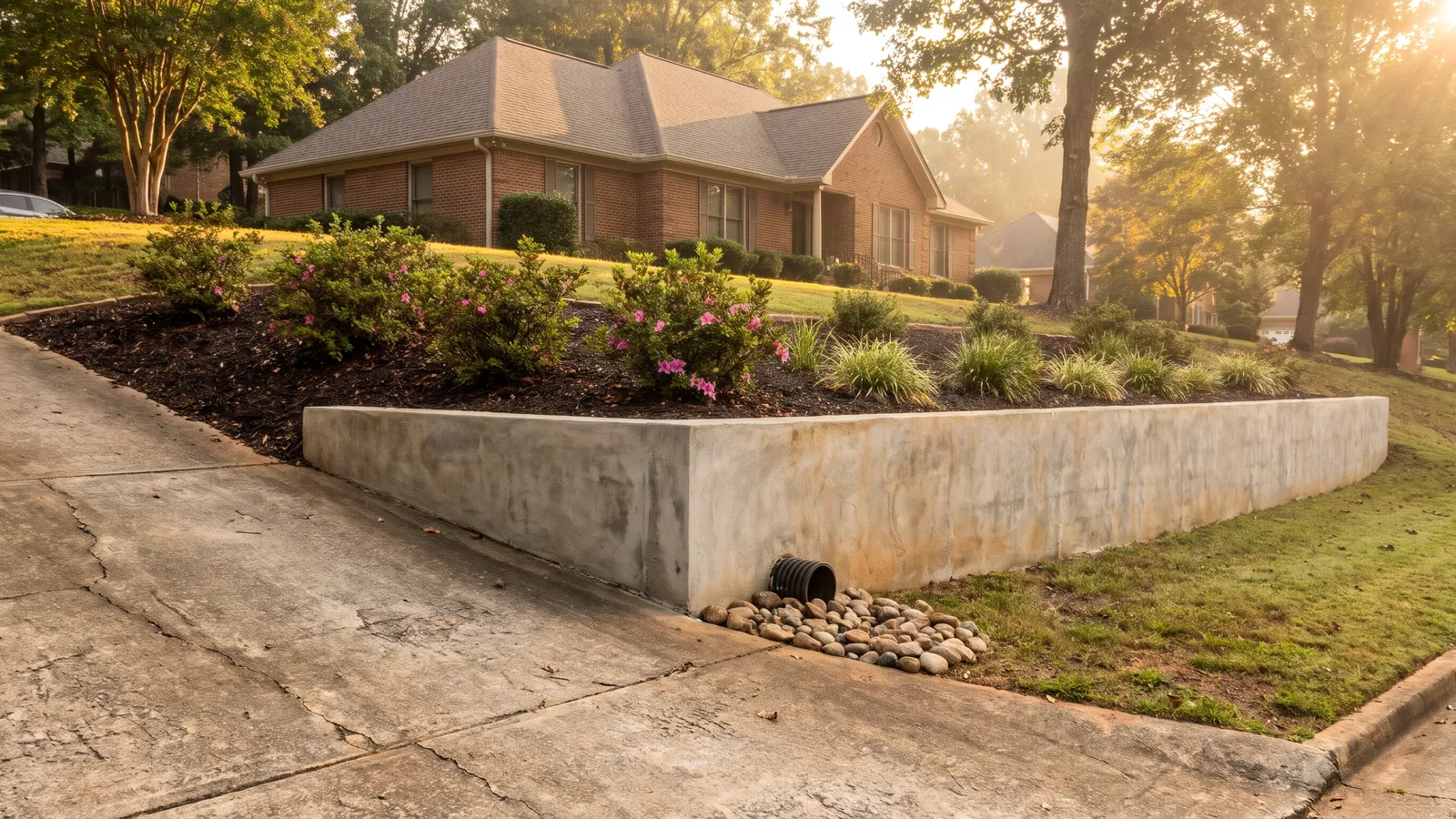
Poured and block walls with proper footings and drainage for the grade changes Greer's rolling lots keep handing homeowners.
Retaining walls →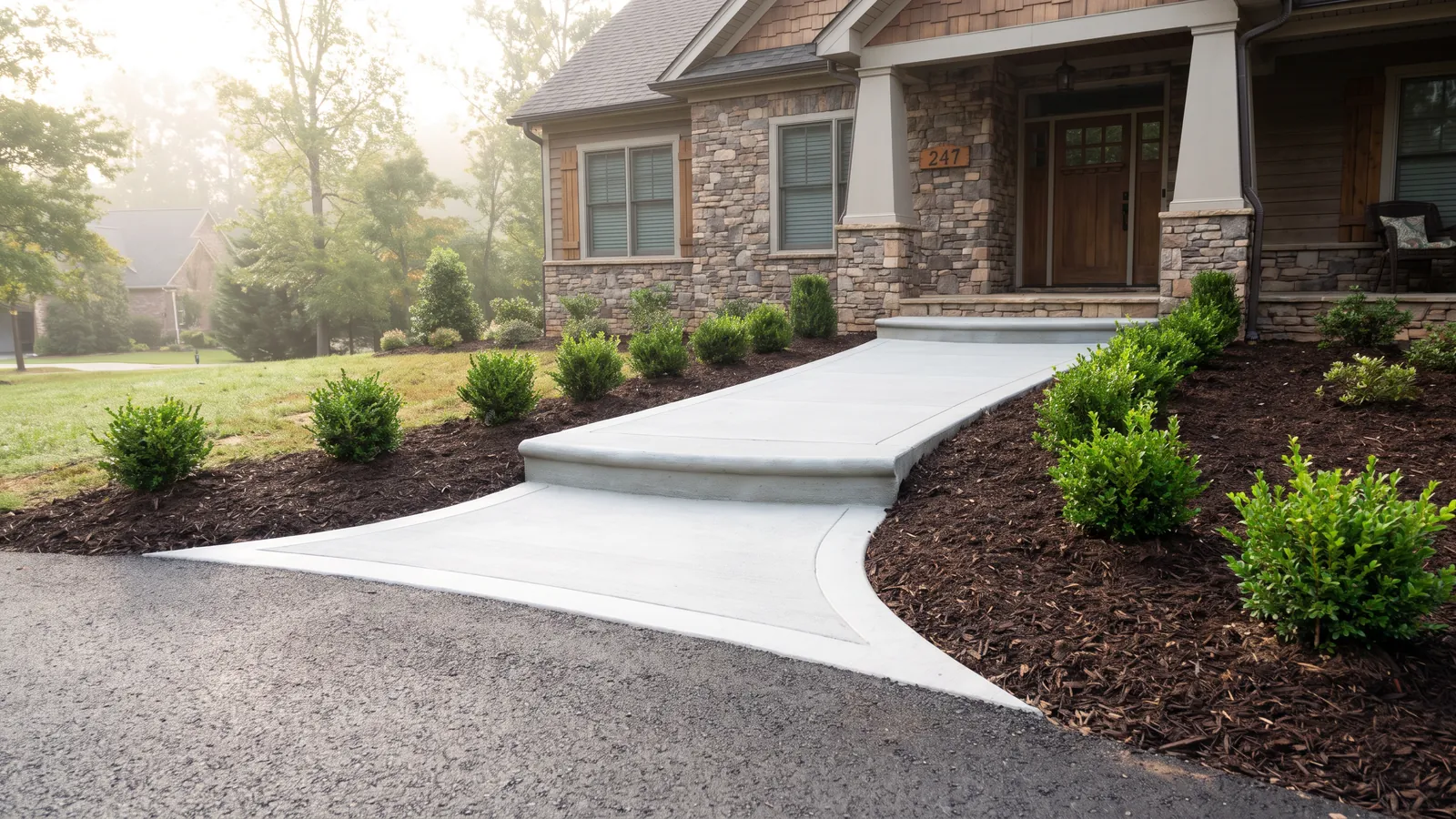
Front walks, side paths, pool decks and poured steps with safe risers and non-slip finishes, drained so they do not ice over.
Walkways →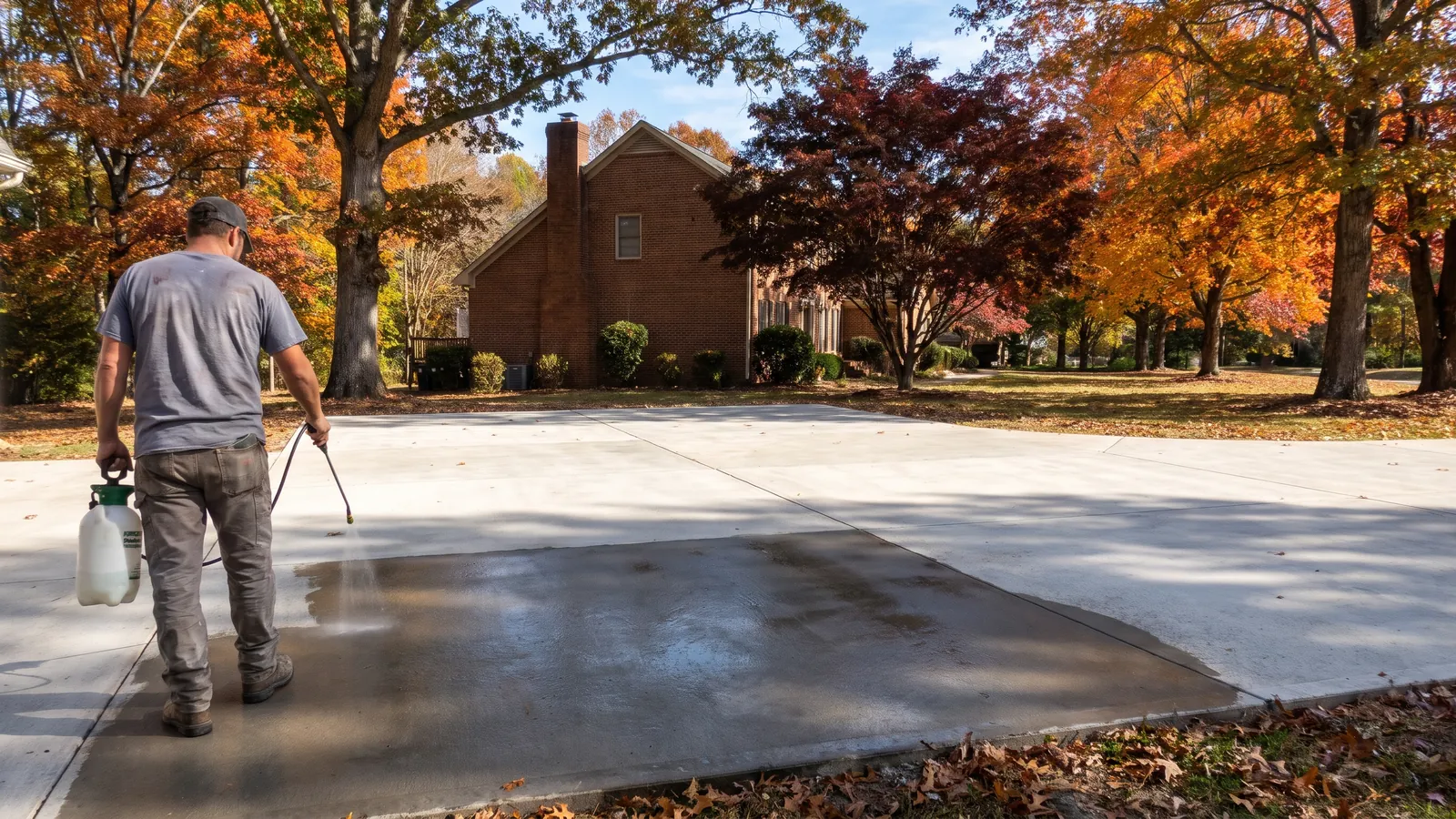
Penetrating sealers every two to three years to keep water out of the pores before the winter freezes work on them.
Sealing →Greer is the fastest-growing city in the Greenville–Spartanburg metro, sits on Piedmont red clay, and lives in the one climate zone of South Carolina where it freezes often but never stays frozen. Each of those shows up in a driveway sooner or later.
Piedmont red clay covers every lot from the fall line to the mountains. It swells wet, shrinks dry, and holds water against the underside of a slab. Concrete poured on it without preparation cracks within three to five years, and poured on uncompacted fill it settles even sooner. We excavate to stable ground, place crushed stone in lifts, compact each one and only then set forms. It is the least visible part of the work and the part that decides whether the driveway lasts twenty years or five.
The coast rarely freezes and the mountains stay cold; Greer bounces across freezing dozens of times each winter. Water in an unsealed slab's pores expands each time, flaking the surface, opening hairline cracks and prying joints apart. The honest answer is an air-entrained mix, joints cut at the right spacing and a penetrating sealer renewed every two or three years. It is cheap, and it is the difference between a driveway that looks new at fifteen and one that looks tired at six.
From June through September the afternoon air is above 85°F and thick with humidity. A slab finished at two in the afternoon loses water from its surface faster than it can bleed up from below, and the top shrinks and crazes before the concrete has any strength. So summer pours are scheduled early, the subgrade is dampened, the mix is adjusted, wind breaks and misting are used when the forecast calls for it, and every slab is cured, not just left to dry.
Built with the house, poured on clay or thin fill, cracked by year four. Whether it can be repaired or needs a new base depends on how far the slab has moved.
Repair →A front walk or garage apron that dropped an inch where water washed the base out. Lifted with foam in a morning, far cheaper than replacing it.
Leveling →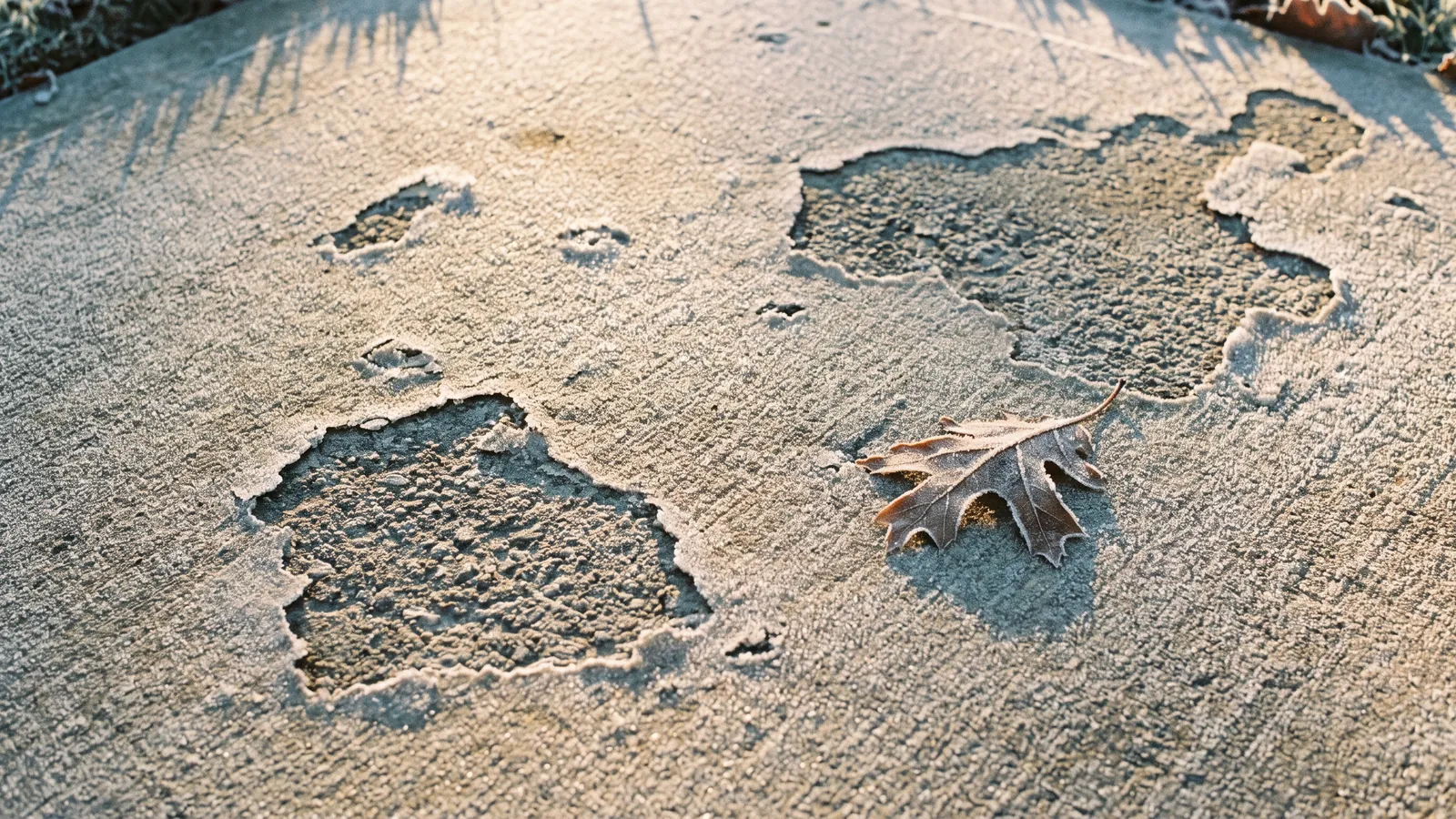
A surface that scaled off in sheets after a few winters, usually on concrete that was never sealed. Resurface it, then keep it sealed.
Sealing →A tear-out and replacement, an extension for a third car, or the first driveway on a new lot off Highway 14. The stone base is where the money goes, and should.
Driveways →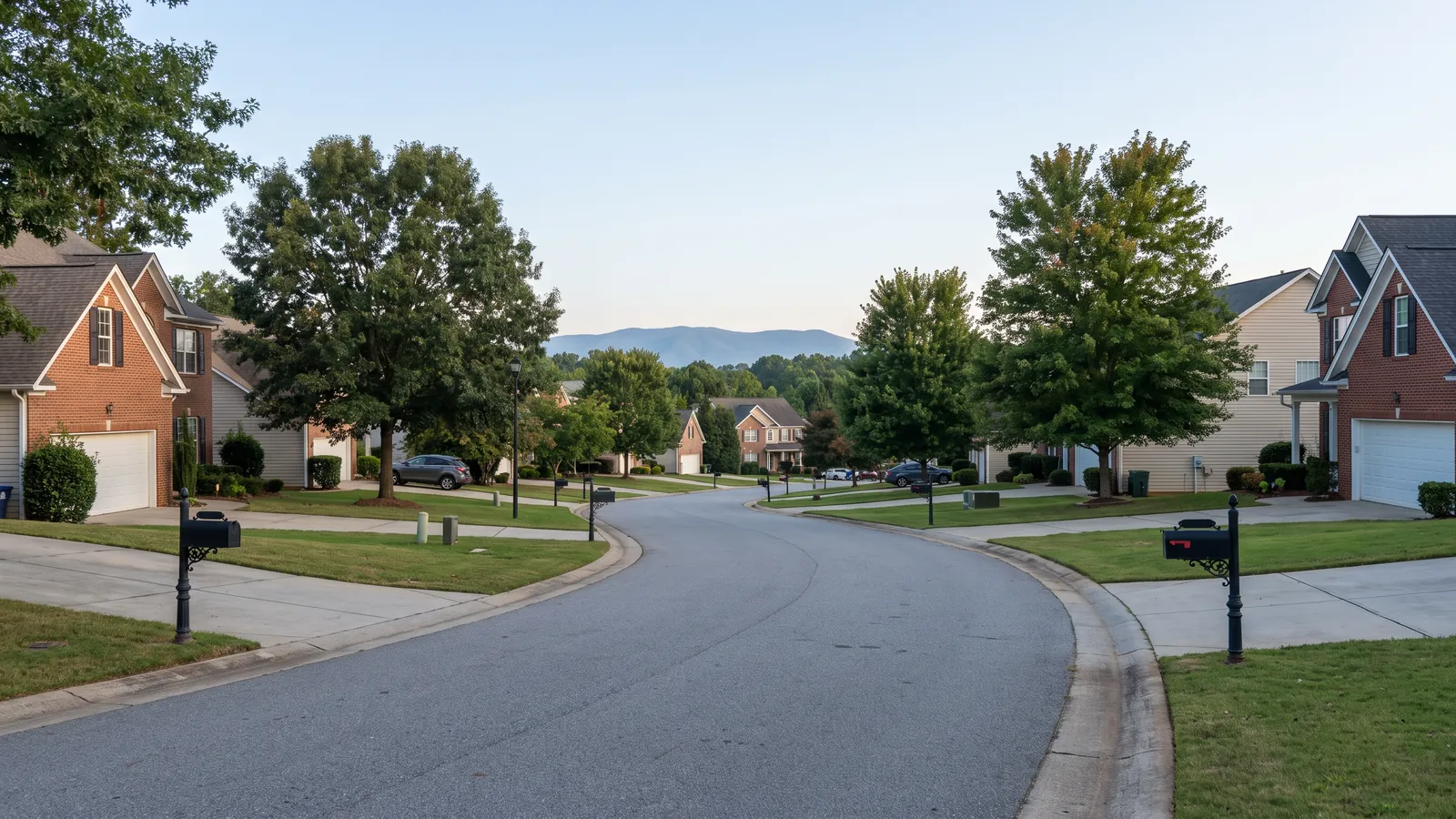
Greer straddles the Greenville–Spartanburg county line on the I-85 corridor, with the BMW plant, the Inland Port and the airport on one side and subdivisions filling in on every other. The city has grown by about forty-one percent since 2020, to roughly 50,000 people, and most of that growth is new homes on lots that were cut and filled out of rolling Piedmont clay. Those are the driveways and patios that will crack first if the fill was not compacted, and we see the first of them already.
The older neighborhoods have the opposite problem: concrete poured decades ago that has gone through hundreds of freeze-thaw cycles, with scaled surfaces, settled walks and joints that have opened up. Both kinds of work need somebody who understands what the clay and the climate do, which is different from what they do in Charleston or Columbia, let alone the places most concrete advice online is written for.
We work throughout Greer, Taylors, Duncan, Lyman and Wellford along the corridor, north to Travelers Rest and Inman, and south to Mauldin and Simpsonville, plus Boiling Springs and Powdersville when the schedule allows.
Where we work →Tell us what you want poured, fixed or lifted and where. The phone is answered at any hour; an estimator calls back to set a visit, usually within a working day.
Measuring, a look at the slope and where water goes, a probe of the existing base, truck access, and the finish and thickness you want. Questions answered on the spot.
Itemized: tear-out if any, excavation, stone base, reinforcement, concrete, finish, joints and sealing, with the schedule and the weather window it depends on.
Forms set and checked for fall, the pour scheduled for the right hour, the slab cured, joints cut on time, and clear instructions on when you can walk, drive and seal.
Home base is Greer: the established streets around downtown and Wade Hampton Boulevard, the neighborhoods off Highway 14 and Brushy Creek Road, the Riverside and Pelham Road side toward the airport, and the new subdivisions still going in along I-85 and toward the Spartanburg County line.
From there the crews cover Taylors and Travelers Rest to the north and west, Duncan, Lyman, Wellford and Inman along the corridor and toward Spartanburg, Mauldin and Simpsonville to the south, and Boiling Springs and Powdersville on the edges. Each town has its own mix of old concrete and new fill, and each town page says what we see there.
See every town we cover →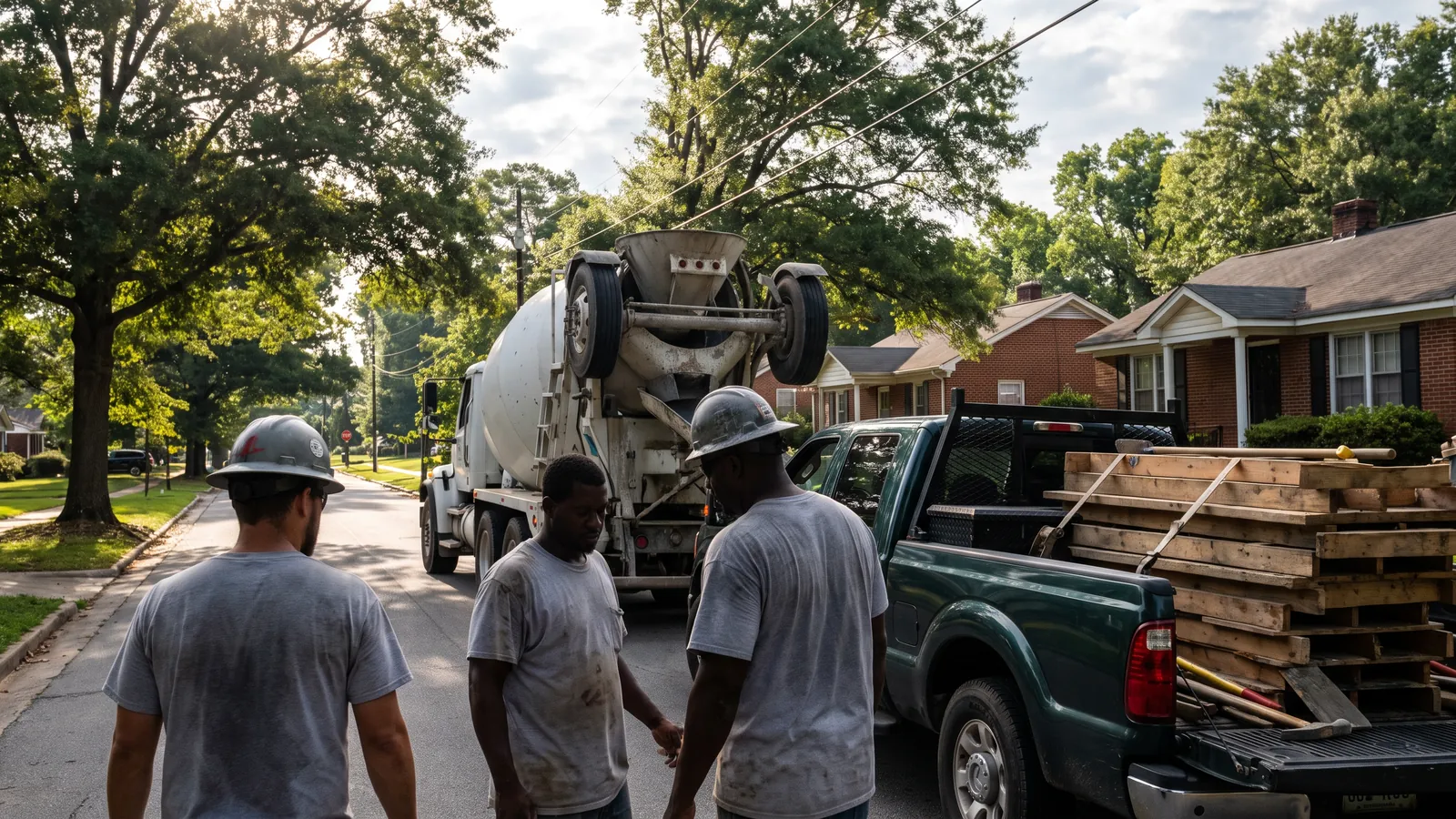
For 2026 budgeting in the Upstate, a standard broom-finish driveway runs about $6 to $16 per square foot, so an 800-square-foot two-car driveway lands somewhere between $4,800 and $12,800 before removal of the old slab. Stamped or colored finishes are $12 to $25 per square foot. The spread is wide because the ground under the slab decides most of the price here: a lot on undisturbed clay with easy truck access costs less than a sloped lot of fresh fill that needs cutting, hauling and a thick stone base. The estimator measures, probes the subgrade and writes the number before anything is scheduled. The cost guide walks through every line.
Nine times out of ten it is the red clay underneath, not the concrete on top. Piedmont clay swells when it is wet and shrinks when it dries, and Greer gets 49 inches of rain a year followed by hot, dry late summers, so the ground moves every single year. A slab poured straight onto that clay, or onto fill that was never compacted, moves with it and cracks. The fix is in the preparation: dig to stable ground, place and compact four to six inches of crushed stone, compact again, then pour. Our red clay guide explains it in detail.
Usually not. Standard residential flatwork such as driveways, patios, sidewalks and small slabs generally does not require a building permit in Greer, Greenville County or Spartanburg County. Structural concrete is different: foundations, footings for a building and retaining walls above a certain height can need a permit from the city or the county, and we tell you which before the job is priced. Whatever the job, we call in utility locates before any digging starts.
South Carolina has no licence specifically for concrete contractors, so no concrete company in Greer can honestly claim one. What exists is insurance, which the crews who work through us carry, general liability and workers' compensation, and the state's residential specialty registration or contractor licence that larger structural and commercial projects require, which is held as the law requires for those jobs. Ask for the insurance certificate; we send it before the first truck arrives.
Yes to both, with the right precautions. Summer pours in Greer start early, before the heat and humidity push the surface to dry faster than the slab underneath, and we use wet curing or a curing compound so the top does not shrink and craze. Winter pours wait for a forecast that stays above freezing for the first few days; with 40 to 60 freeze-thaw days a year, timing matters more here than on the coast. The weather guide covers both seasons.
Yes and yes. The site visit, the measuring and the written price cost nothing and carry no obligation. The phone is answered 24 hours a day, seven days a week; your details are taken whenever you call and an estimator calls back to set a time, usually the next working day. Crews work seven days a week when the weather allows it.
An estimator comes out, checks the ground, measures and writes the price. Free across Greer and the Greenville–Spartanburg corridor, and the phone is answered at any hour.